
The Two Rivers

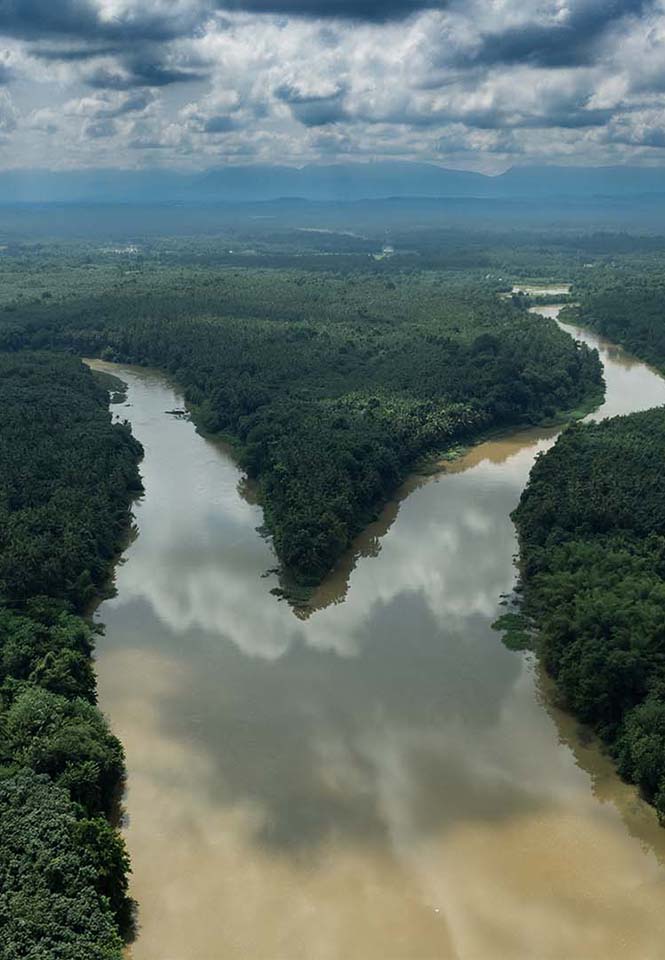
Pause for a moment in your reading. Notice what is happening as you take in these words. Is there something attending — something that is present to the meaning, not just processing the information? That attending is you. The processing is something a machine can do. The attending is something else entirely.
Every serious thinker we have spoken with — neuroscientists, philosophers, educators, AI researchers, contemplatives — arrives independently at the same deep distinction. On one side: intelligence, doing, performance, measurable output, the efficient processing of information. On the other: consciousness, being, the felt sense of being alive, the capacity to experience rather than merely respond.
The doing side is important. It is how we act in the world, how we contribute, how we create. But it draws its meaning entirely from the being side. Knowing without knowing who is knowing — output without experience behind it — is what AI already does, fluently. The question our age is pressing us to answer is whether we know the difference in ourselves. Whether we can feel when we have crossed from one river into the other.
Wisdom is what flows where the rivers meet — the capacity to know when doing must yield to being, and when being must find expression in doing.

We are locked into a kind of neoliberalism that says you’ve got to perform, and perform better all the time. AI accelerates this — things must be done quicker, more must be produced. We achieve a culture of straight A’s, of relentless excellence, but we never dwell in what we do, never live more richly than that. We end up denying something about ourselves.

Two Rivers, Twelve Thinkers
There is a distinction between knowing and knowledge. Knowing is also the knowing of the meaning of an experience — and the meaning of an experience is not the knowledge you get from a book. It requires a conscious experience. Computers have a lot of knowledge, but no knowing. We have much less knowledge, but we have knowing. And that capacity to know — not just to accumulate — is what AI cannot give us.